
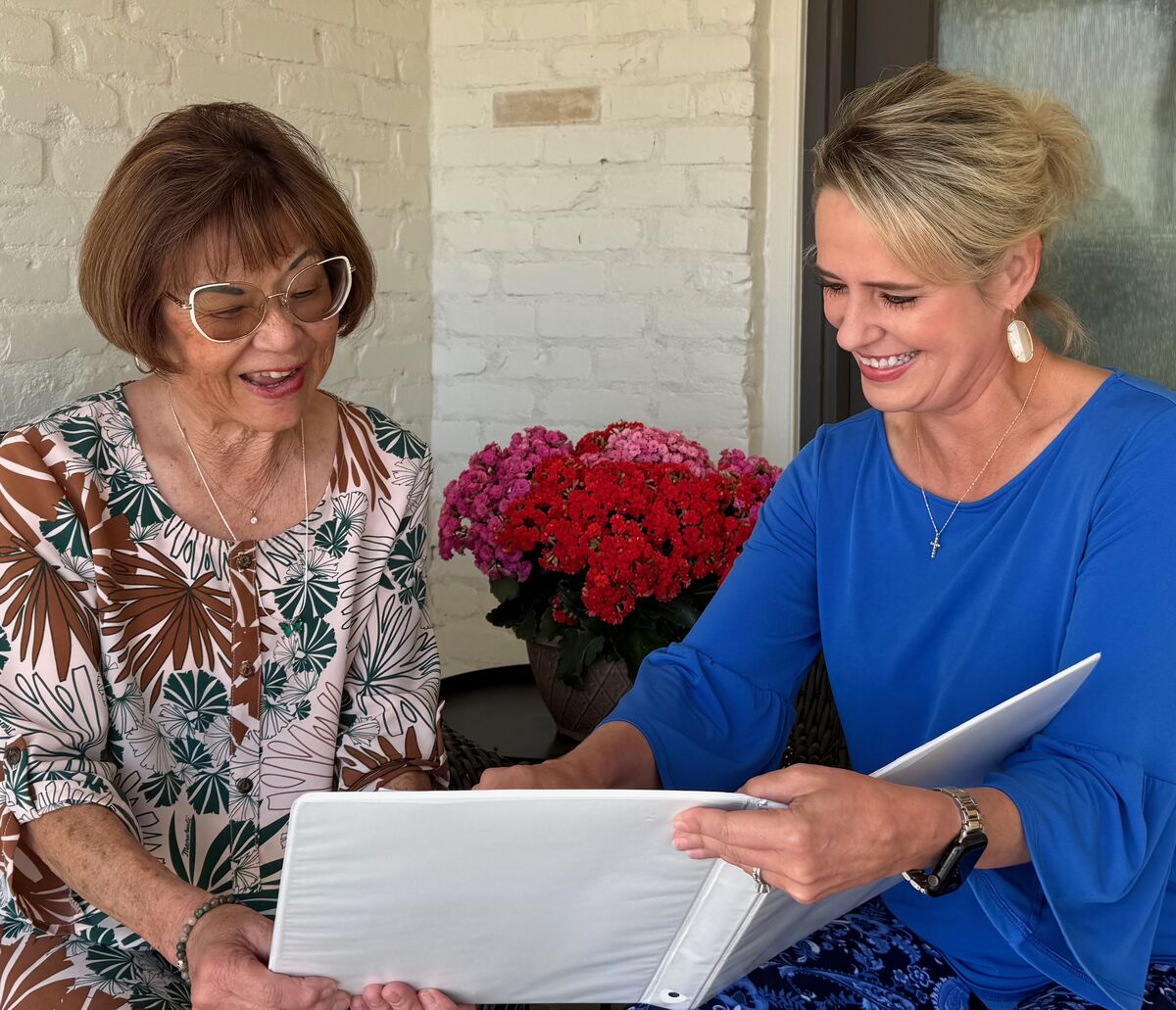
Thoughtful guidance, trusted connections, and a relationship-first approach to senior living and aging.
Understanding senior living options can feel overwhelming — especially when terminology sounds similar but levels of support vary significantly.
Below is a simple overview of the primary types of senior living. Each offers a different level of care, structure, and environment. The right fit depends on safety needs, lifestyle preferences, and long-term considerations.
If you're unsure where to begin, I'm here to walk through it with you.
Active lifestyle communities for older adults who want maintenance-free living with social opportunities.
Support with daily activities in a community setting that balances independence with care.
Specialized support for individuals living with Alzheimer's disease or other forms of dementia.
Smaller residential homes that provide more individualized caregiving in a quieter setting.
Independent Living communities are designed for older adults who want a maintenance-free lifestyle with built-in social opportunities — but who do not need daily hands-on care.
Residents typically live in private apartments within a community setting that offers:
It's a wonderful option for those who are ready to simplify life, downsize, and enjoy more connection while maintaining independence.
Independent Living communities are not licensed to provide medical or personal caregiving services.
If support with bathing, dressing, medication management, or memory care becomes necessary, services must be arranged through an outside provider. Some communities coordinate these services more seamlessly than others — which is an important detail to evaluate.
Independent Living communities vary widely in atmosphere, layout, culture, and level of support coordination.
Not all communities feel the same — and not every one is the right fit for every person.
My role is to help you look beyond the brochure and determine what truly aligns with your lifestyle, safety needs, and long-term plan.
Assisted Living communities provide apartment-style living with personalized support for individuals who need help with daily activities.
Residents live in private apartments within a community that offers:
The goal is to maintain as much independence as possible while providing a safe, supportive environment.
Assisted Living provides help with Activities of Daily Living (often called ADLs), which may include:
Support is individualized and adjusted over time as needs change.
Choosing Assisted Living is about more than finding a room — it's about ensuring safety, dignity, and the right level of support.
Assisted Living is not one-on-one care. While staff are available 24 hours a day, care is shared among residents and typically scheduled.
Communities vary widely in staffing levels, care approach, culture, and ability to manage more complex medical or behavioral needs. Not every community is equipped for every situation.
I help families look beyond the brochure, ask the right questions, and evaluate whether a community can truly meet both current needs and likely future changes.
Memory Care is a specialized form of senior living designed for individuals living with Alzheimer's disease or other forms of dementia.
Memory Care may be a stand-alone community or a separately secured area within a larger senior living campus.
These communities provide:
The environment is intentionally designed to reduce confusion, increase safety, and provide meaningful engagement.
While Memory Care provides many of the same foundational services as Assisted Living, it includes:
The structure and predictability of Memory Care are especially important for individuals experiencing memory loss, confusion, or behavioral changes.
A move is often considered when:
Every situation is unique. The decision is never easy — and it is deeply emotional for families.
Not all Memory Care communities operate the same way. Staffing models, engagement philosophy, physical layout, and culture vary widely.
Matching personality, care needs, safety requirements, and family dynamics is critical.
I help families navigate this transition with clarity and steadiness — ensuring the environment chosen supports both dignity and safety.
(Also called Residential Care Homes or Small Assisted Living)
Personal Care Homes are smaller, residential-style communities that typically serve a limited number of residents in a more intimate setting.
Most are located in traditional neighborhood homes that have been thoughtfully modified to provide a safe, supportive environment for older adults who need assistance with daily living.
Many Personal Care Homes operate under state licensing requirements as small Assisted Living communities, even though they function within a residential setting.
They provide:
Because of their size, the setting often feels more personal and home-like than larger communities.
The primary difference is scale.
With fewer residents, caregivers are typically only steps away. This can allow for more attentive, hands-on support and closer familiarity with each resident's routines and preferences.
Personal Care Homes often serve individuals who:
However, they generally offer fewer structured activities and less social variety than larger communities.
Personal Care Homes can be an excellent solution in the right circumstances — particularly when close supervision and attentive care are the priority.
Not all Personal Care Homes operate the same way. Staffing experience, leadership involvement, caregiver training, and overall atmosphere can vary widely.
Because these homes are small, personality fit and care philosophy matter tremendously.
I help families determine whether a smaller residential setting truly aligns with care needs, personality, and long-term considerations — or whether a larger community may ultimately provide a better balance.
A thoughtful approach to finding the right fit
Understanding your family's unique needs, preferences, and priorities
Thoroughly researching options and presenting curated recommendations
Accompanying you on tours, supporting your decision, and following up after move-in to ensure everything feels right
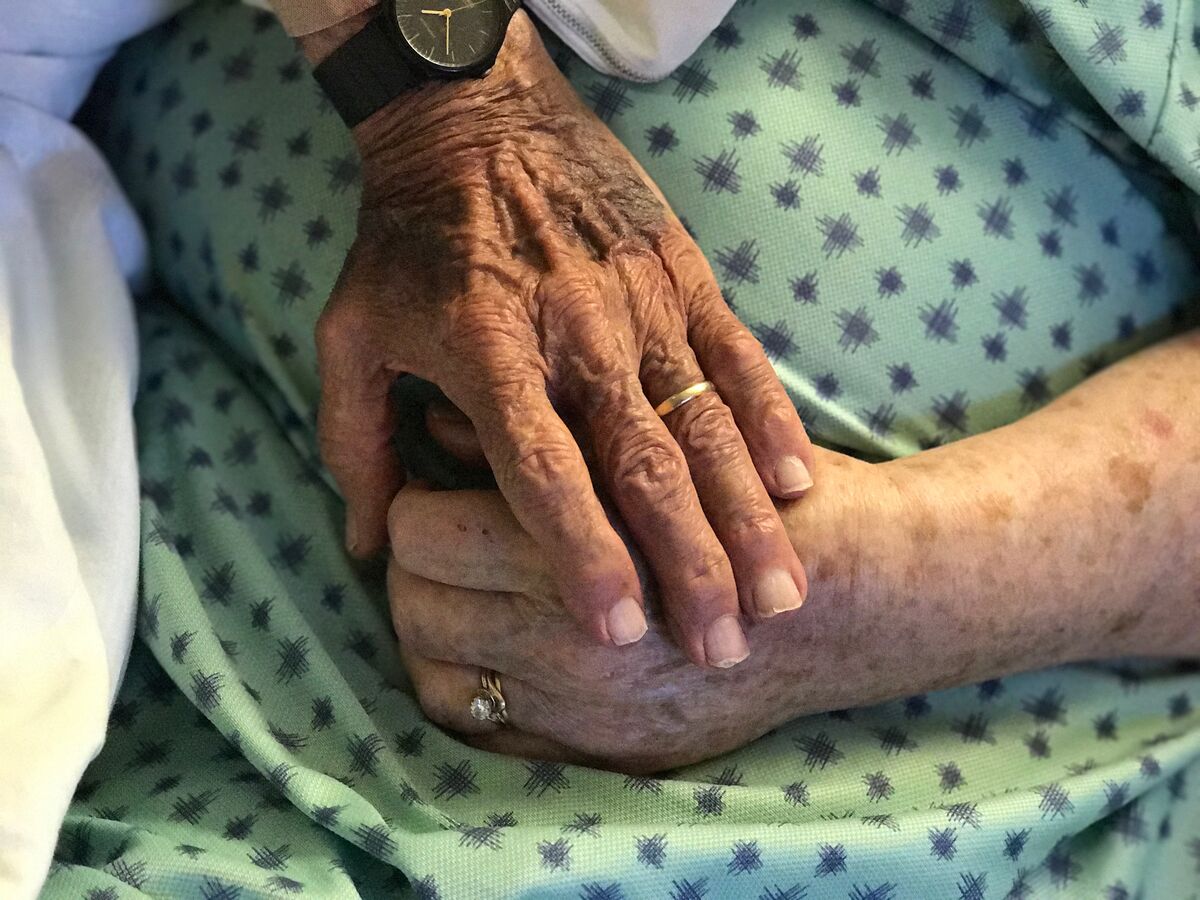
Not every situation calls for a move — and many families simply need guidance around what support options are available.
Non-medical in-home support
Skilled nursing & therapy at home
Comfort-focused end-of-life care
Downsizing & relocation support
Legal guidance for aging families
Senior-focused financial advice
Resources & care guidance
Vetted local resources for your needs
These connections are based on experience, trust, and the quality of care and service they provide.
Every situation is different, and the right answer isn't always obvious at first.
I help families evaluate care needs, understand the differences between communities, and explore options that truly fit their situation.
If you'd like to talk through what you're facing, I'm here to help.
Start the Conversation